Every year millions of Americans give essential care to a loved one, spouse, parent, or grandparent who is living with a serious medical illness.
Region 10’s Aging & Disability Resource Center and Area Agency on Aging strives to care for these caregivers by providing resources or access to resources to caregivers who are headed through the journey of caregiving. We want to help caregiver’s step forward and thrive rather than just survive. Whether that be through reminding caregivers to take care of yourself or adding resources to your toolbox.
Real Care for Caregivers
The following videos are made possible by our partners at The Caregivers Support Foundation (CSF). They are the go-to nonprofit haven for family caregivers. Caregivers help loved ones with terminal diseases of the central nervous system including dementia of all kinds, Parkinson’s, and brain cancer. CSF provides caregiver support in the form of information and emotional support through writing, support groups, videos, and speaking. We help caregivers persevere and find courage to endure.

The Caregiving Journey
When a loved one is diagnosed with a terminal brain malady, you become a caregiver. The family caregiver’s journey is arduous. This includes six defining challenges.
Brain Failure: Dementia, Alzheimer’s, and Parkinson’s
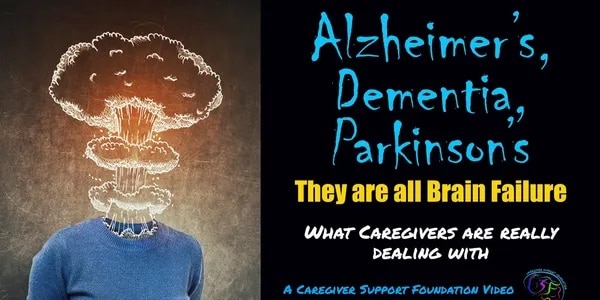
There are many brain diseases. they all end with the brain shutting down leading to death. It is better to lump them together as brain failure so that the caregiver can focus on quality of life for the loved one’s remaining years.
Why is Caregiving so Hard?
24-7, 52 weeks a year, and sometimes for years, caregiving is devastating to the caregiver. In this episode Dr. Landon explains why.
Caregiver Grief | More than Tears at a Funeral
Caregivers grieve every time their loved one loses who they used to be. Friends don’t understand because they think grief is only for the dead.

Caregiver Grief | Grieve in Your Own Way
Because caregivers grieve along the journey, they often grieve after death differently than their friends think they should. Please grieve in your own way.
Caregivers and Patients Must Be Aware of Denial
Denial can help a caregiver cope, but more often it is a predator, hunting caregivers (and patients) to rob them of emotions, energy, and time for the caregiving task.
Palliative Care | What is it and Why is it so Important
Part 1 in the Palliative Care Series. Palliative Care treats the whole person not just the disease. This includes the family and aims for the highest quality of life possible
Palliative Care | Safety, Comfort and Moments of Joy
Palliative Care is all about Safety, Comfort and Moments of Joy for terminal brain failure patients. The family provides it well before hospice. Here’s how.
About Caregiving Support Groups
The Value of Caregiver Support Groups
Caregiving is stressful and socially isolating. Groups reduce both. Here’s more.
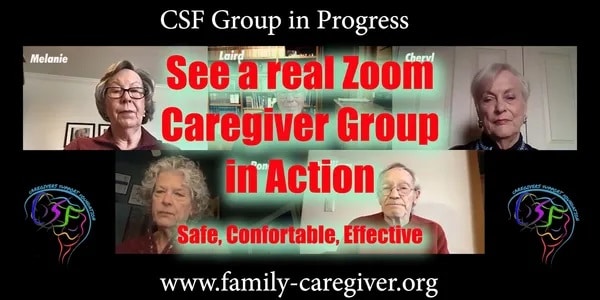
Watch a Caregiver’s Support Group
Watch how a Zoom meeting of a Caregiver Support Group works. Real caregivers talk about their lives and issues and provide support for each other.
How to Make a Group Function Well
Caregiving for Professionals
Professional Caregivers: Caring for Two Patients at Once
Treating terminal patients, without including the family ignores the most important part of the patient’s life. Ignoring the family also produces poorer outcomes.
Professional Caregivers: Learning the 6 Parts of Caregiving
Therapeutic Triangle
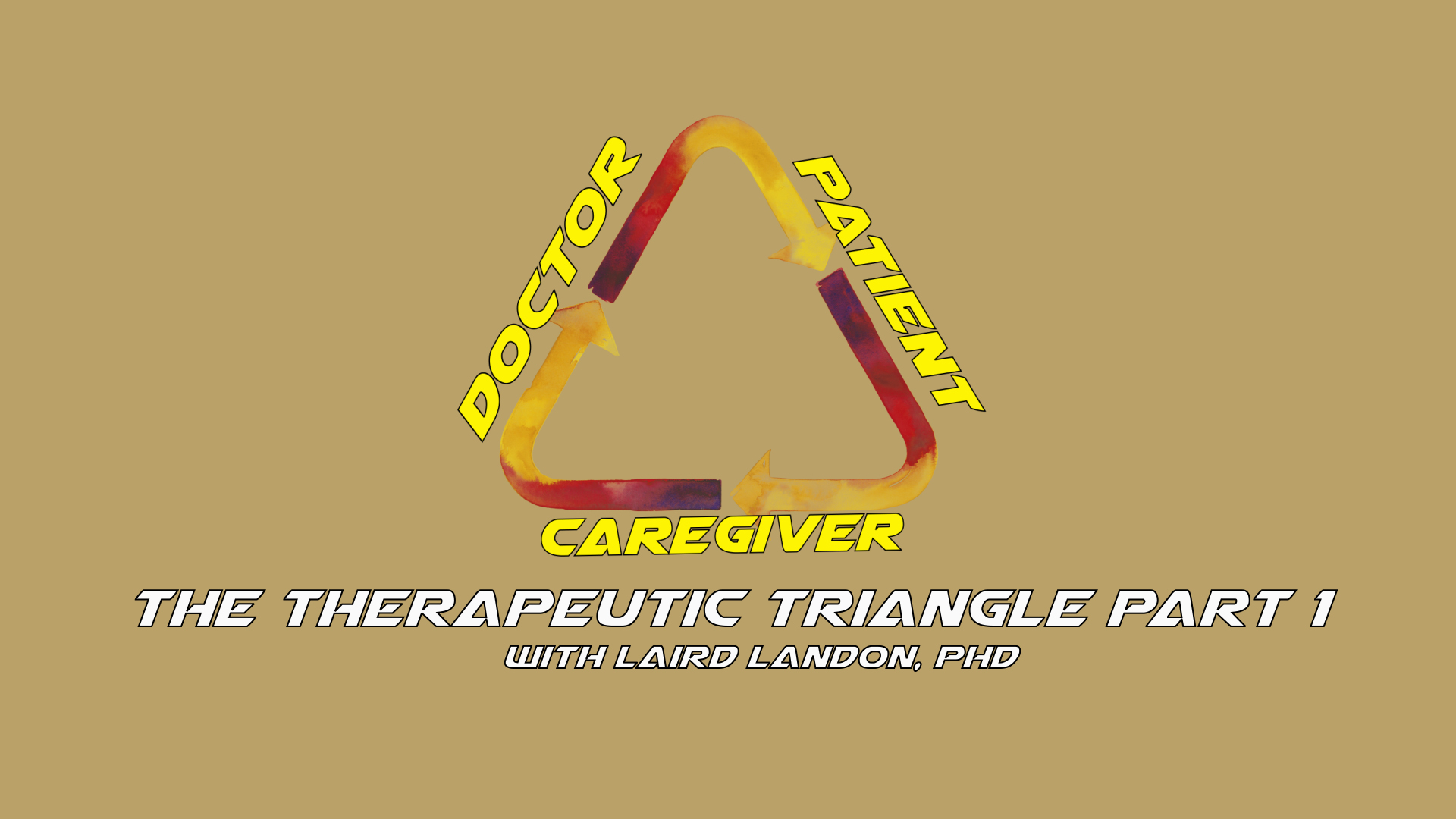
The Therapeutic Triangle Part 1
Interactions between doctors, patients and caregivers are viewed as a therapeutic triangle. Muck better outcomes happen when all three work together. However, there are substantial barriers.
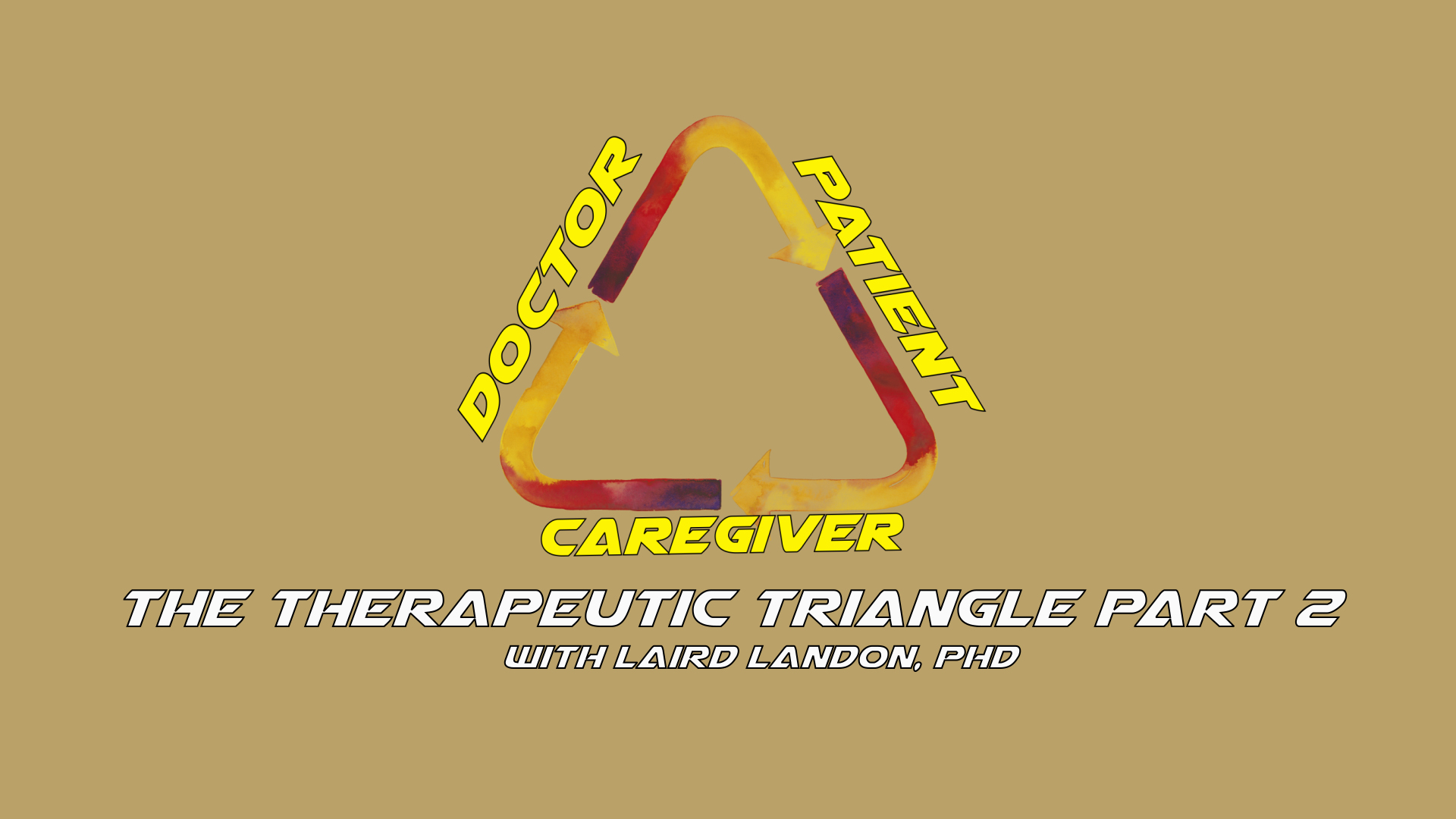
The Therapeutic Triangle Part 2
Doctors enhance quality of life for patients. The caregiver provide care for patients. Here’s advice for doctors to help caregivers improve effectiveness and reduce stress.